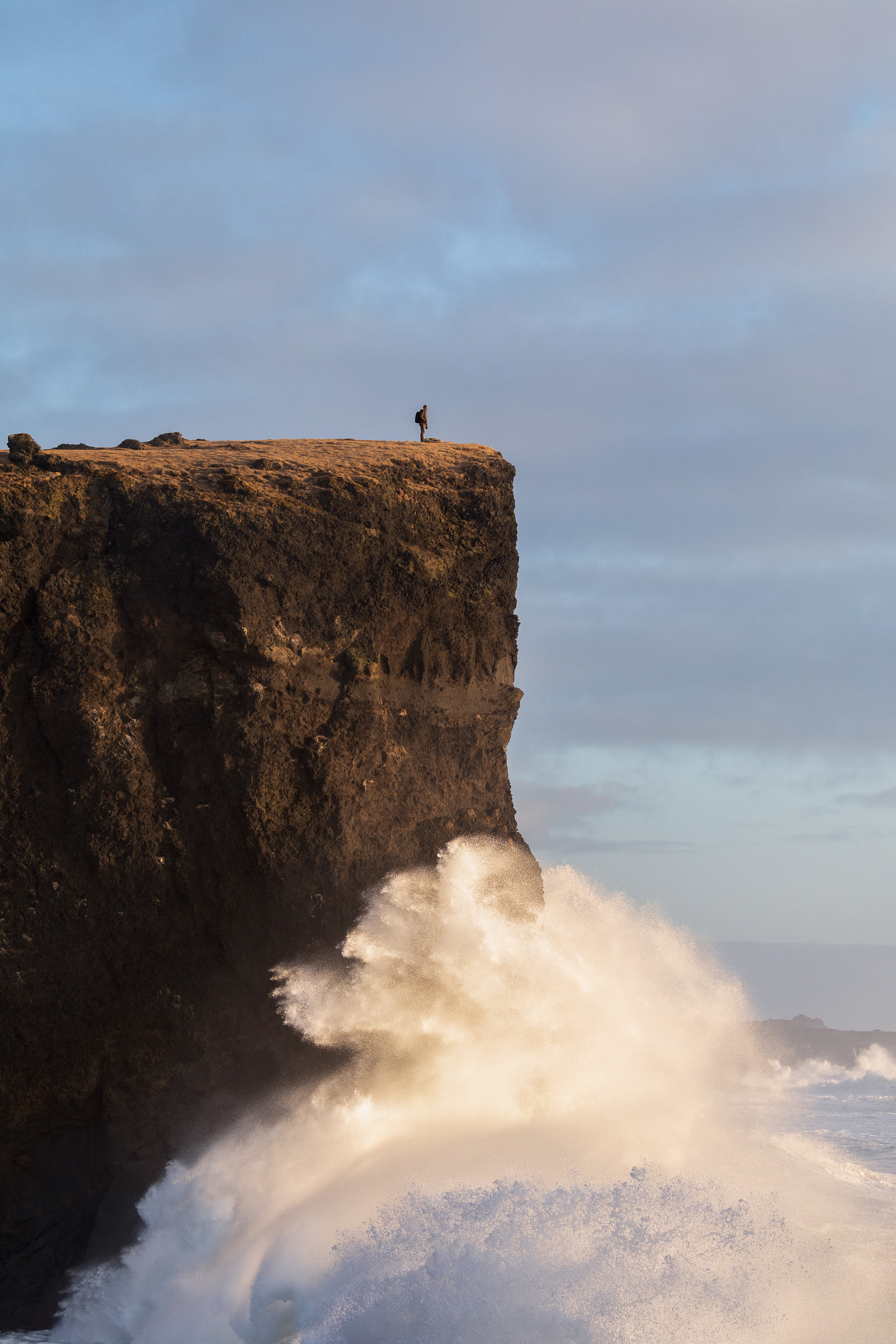
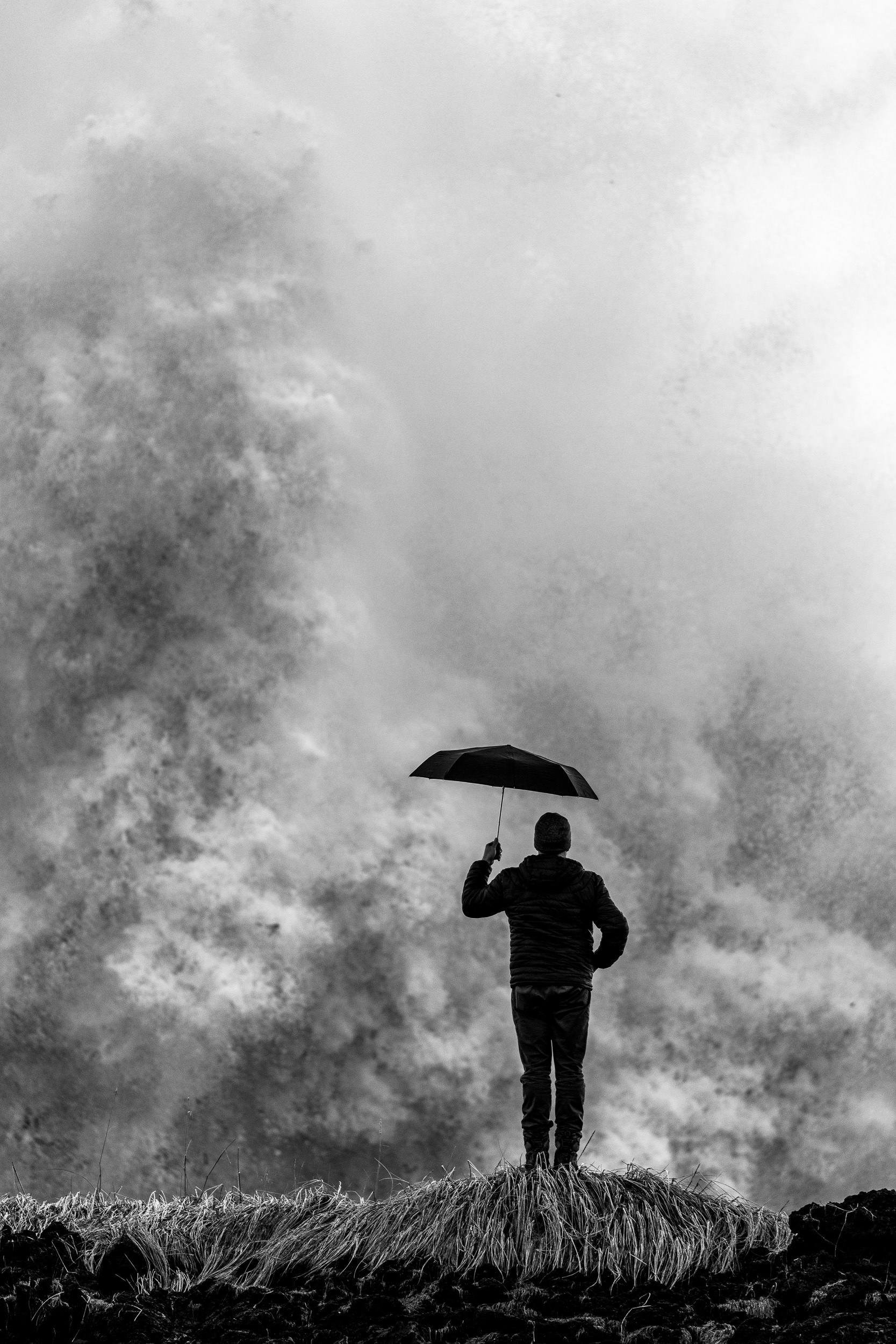
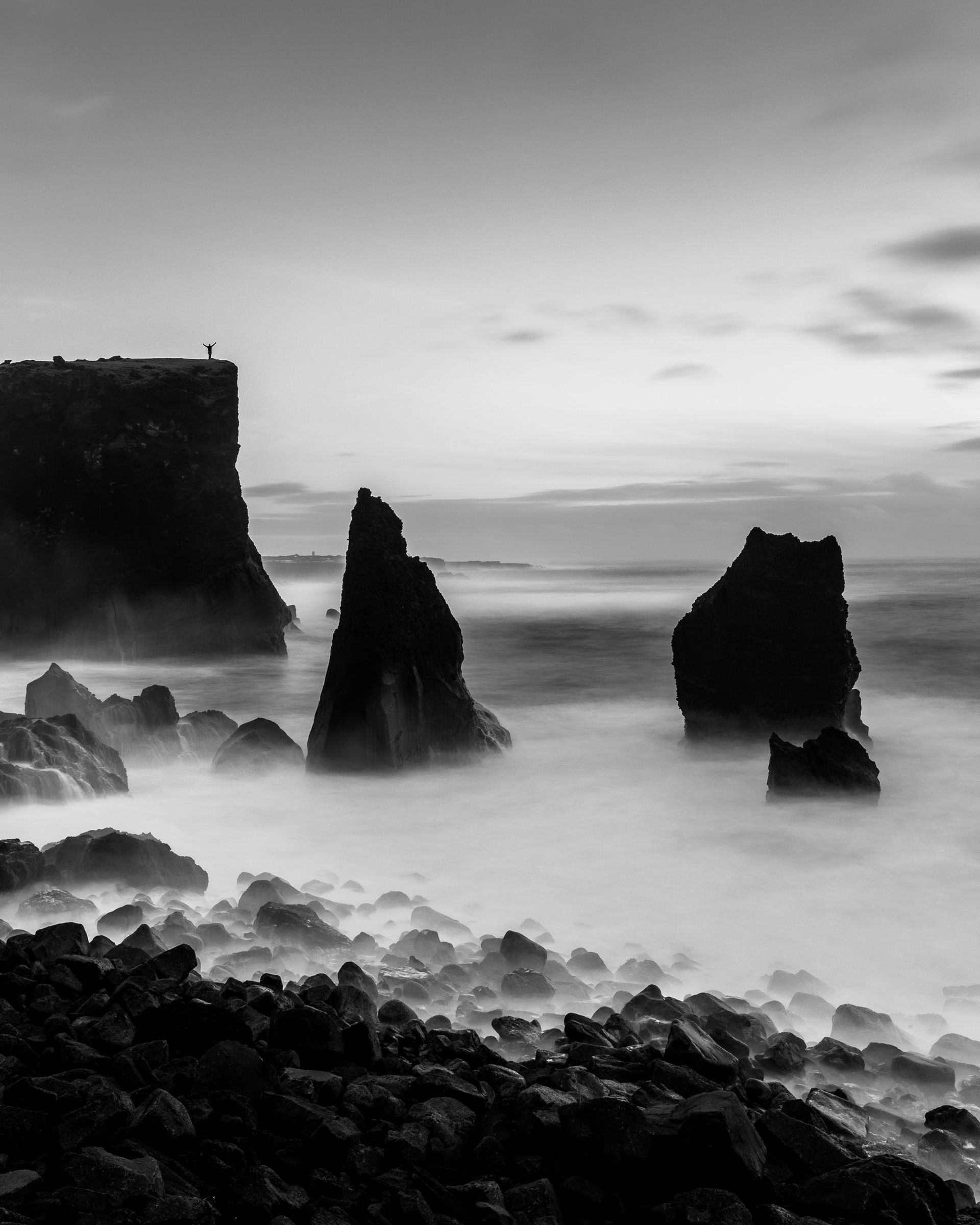
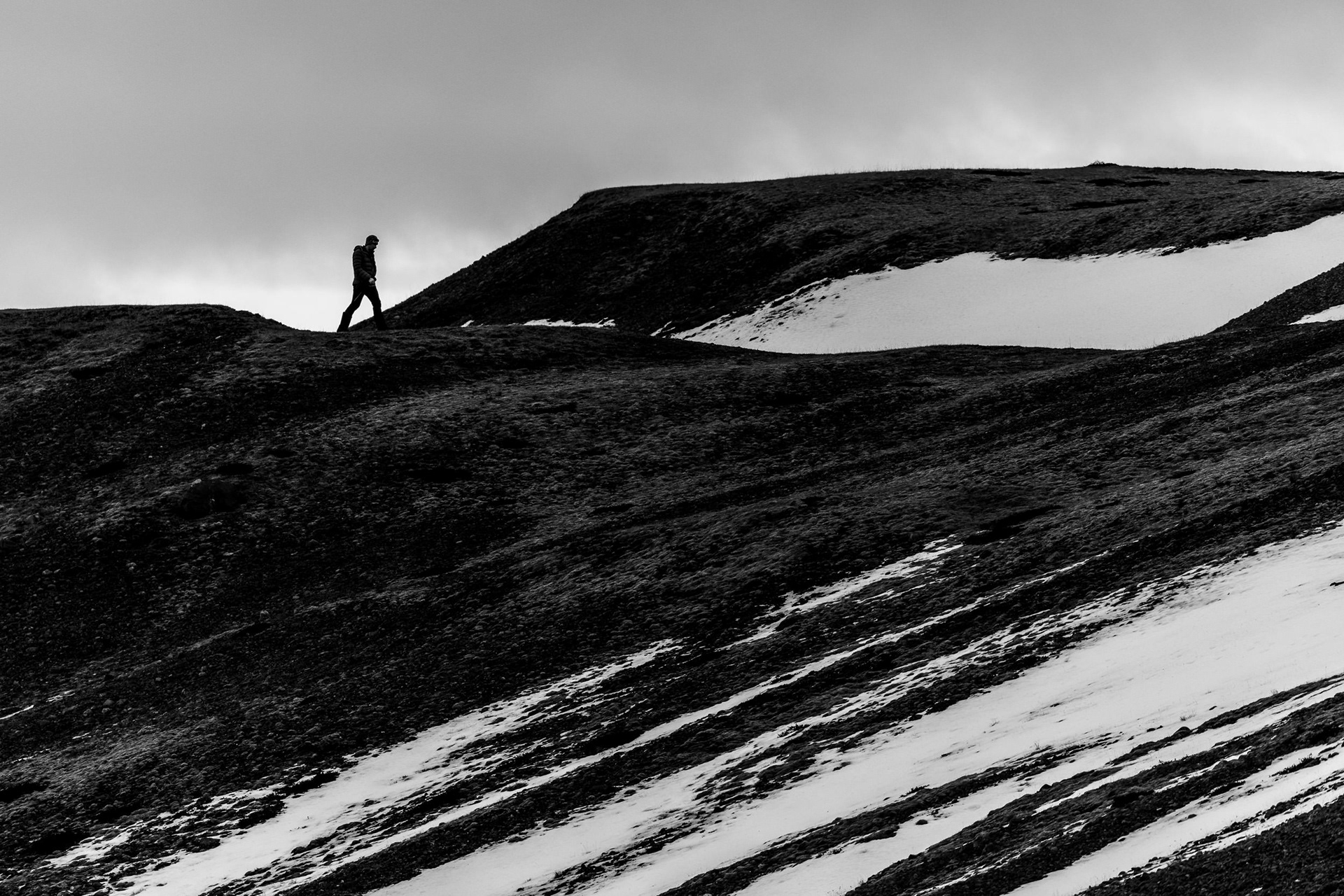
The date was February 12, 2020, my flight to Iceland was scheduled to depart in two (2) days. News broke out that there was a ‘bomb cyclone’ dubbed ‘Storm Dennis’ headed for the island. In preparation, there were mass flight cancellations and the country started to shut down. Dennis packed a punch with wind gusts of 255 km/h and 30 m (98 ft) waves, a complete menace.
To add to the excitement, one of Iceland’s volcanoes was swelling, signalling a potential eruption. A series of earthquakes were shaking the ground around Grindavik. Earthquakes are not uncommon in the area but the fact that they were occurring alongside the inflation of Mt Thorbjorn was creating cause for concern and prompting alerts.
The perfect time to visit Iceland, wouldn’t you say? If you answered no, where is your sense of adventure?
Thankfully, my flight wasn’t cancelled and it landed in Iceland during a lull in Dennis’s wrath. The winds were still fierce, but had died down to somewhere in/around 150 km/h from the previous 255 km/h only days before.
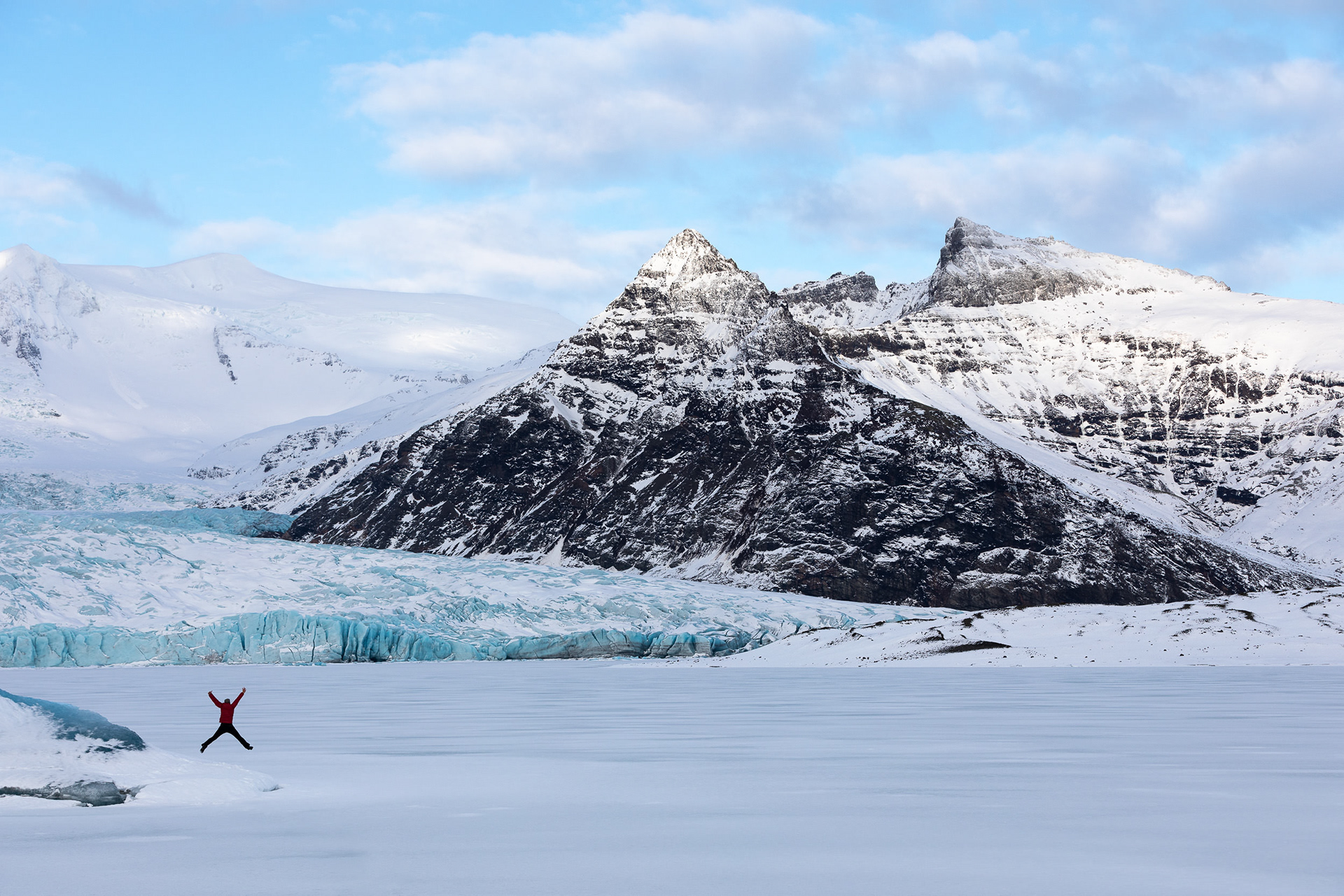
The next thing you might be wondering is why I would choose to visit Iceland in the dead of winter, isn’t it better to experience Iceland in any other season? Most people know Iceland for its staggering waterfalls and bright lush green valleys. Tourism typically peaks between May and September. Winter however, is a special time. Fewer people, beautiful winter landscapes, crazy unpredictable weather, a chance to see the aurora (northern lights), and the opportunity to explore ice caves.
Although many attempt to travel the entirety of the country via the Ring Road (Route 1), the majority of this trip centered around the south coast.
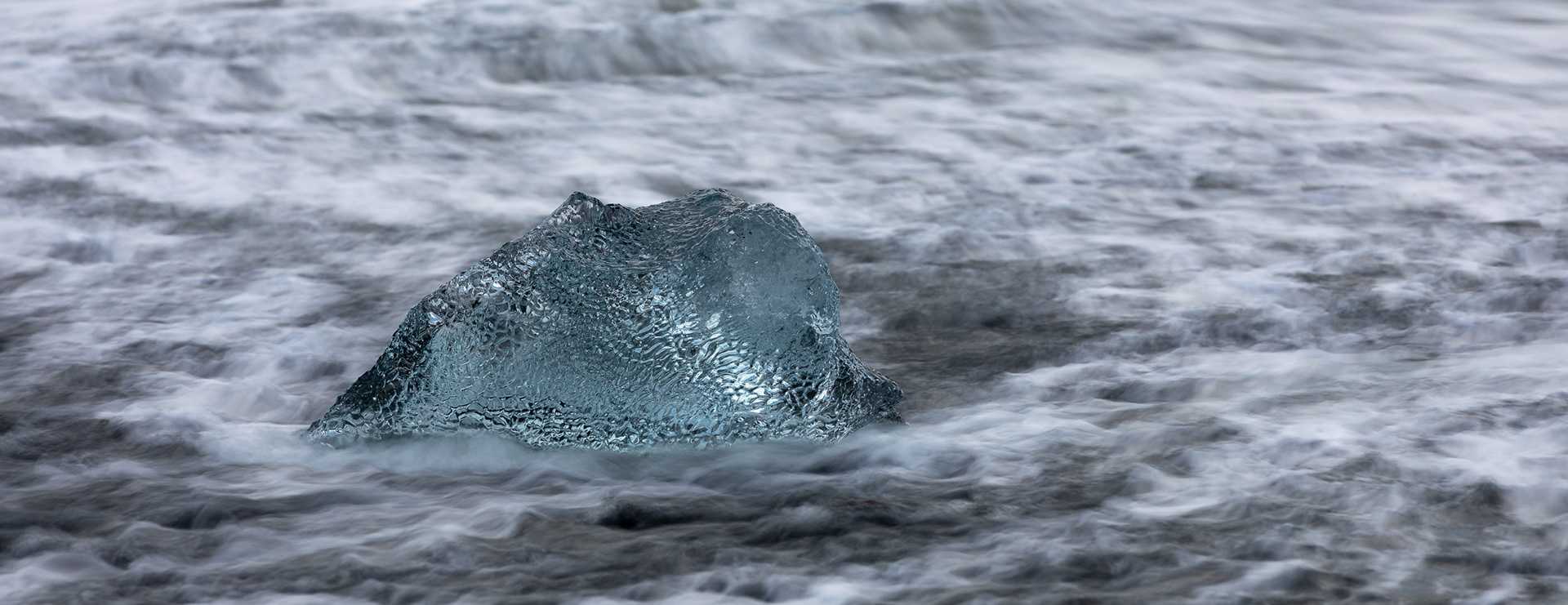
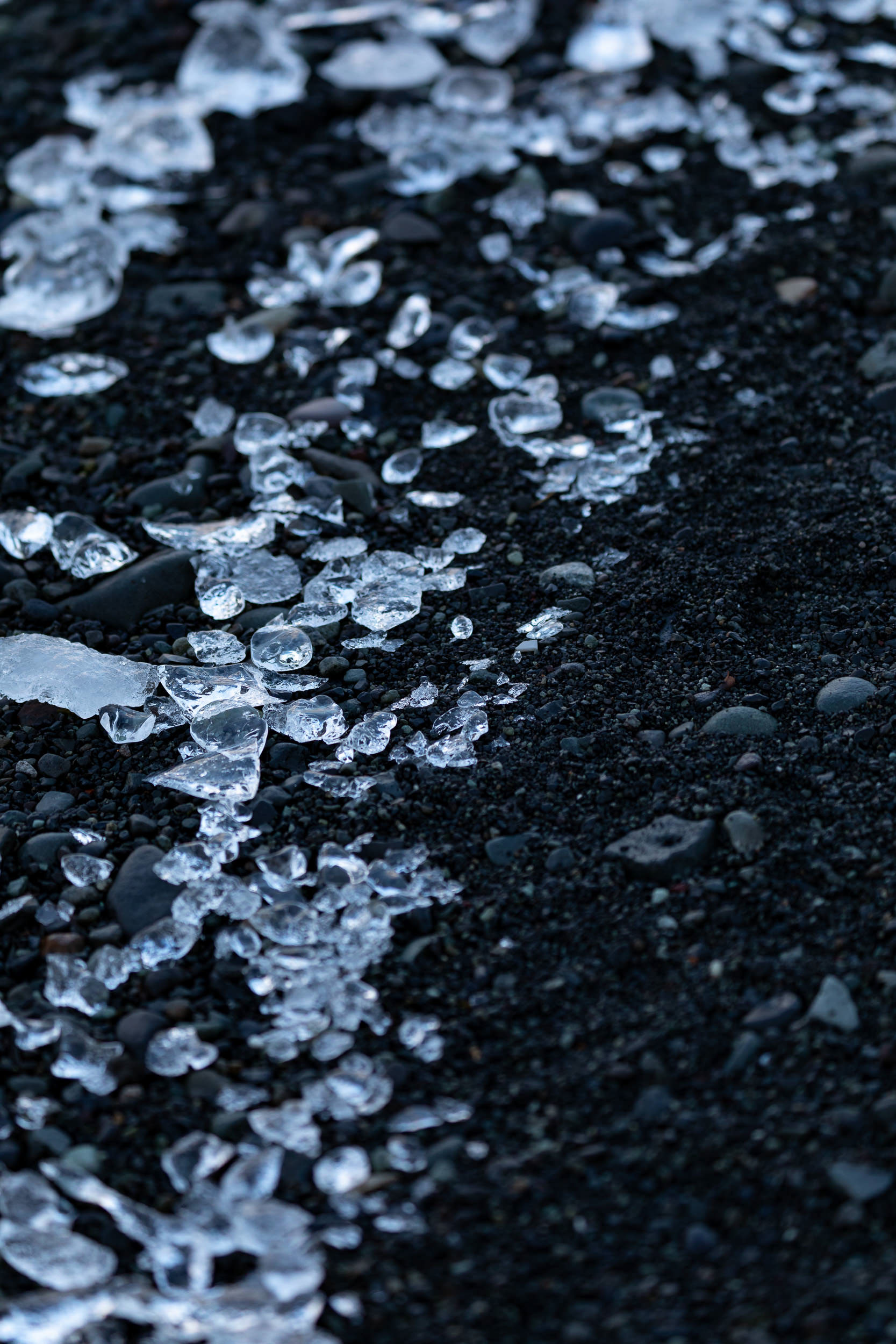
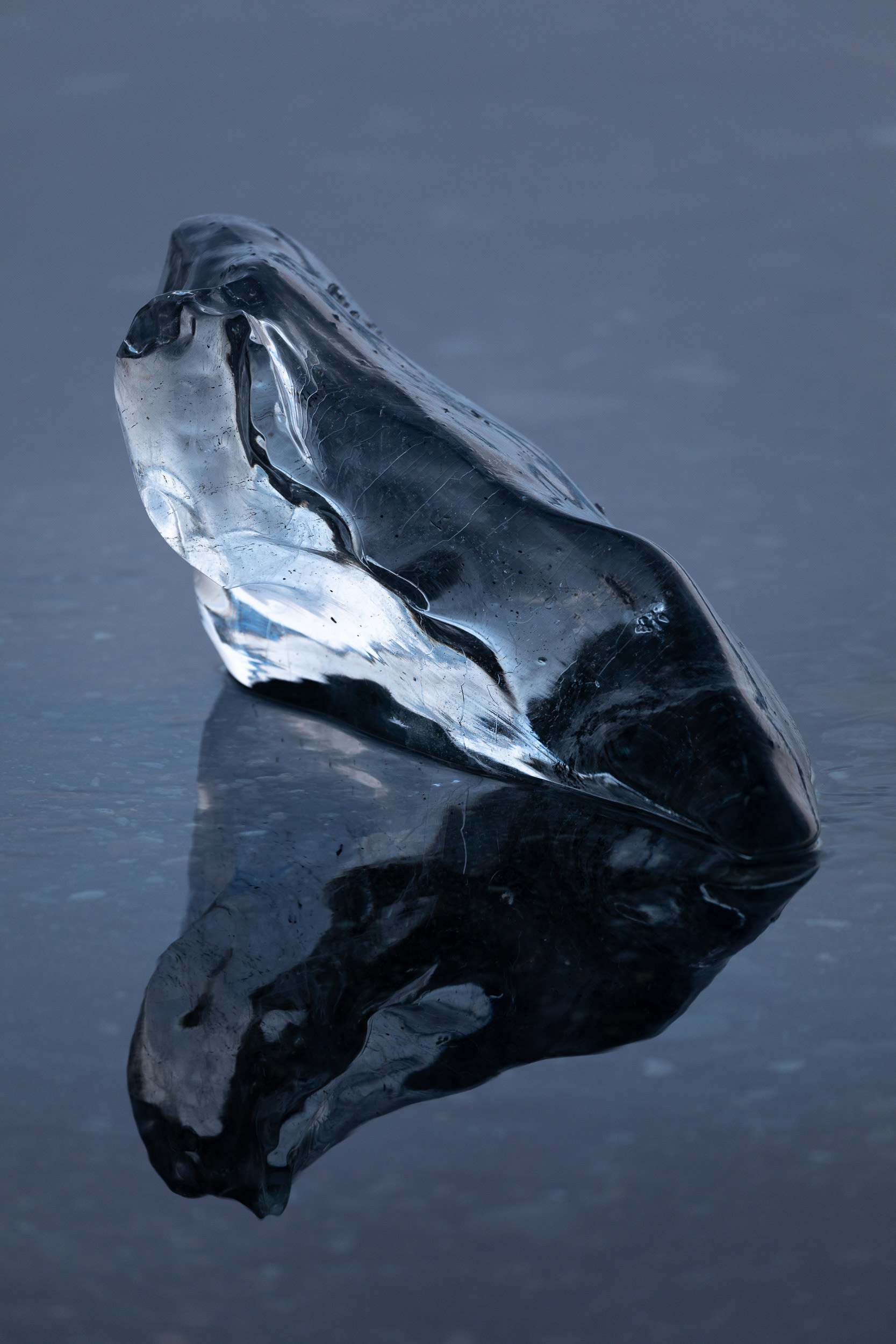
True to its name, Iceland offered up an incredible display of … you guessed it, ice. Icebergs of all shapes, sizes, and colours spend time floating around Jökulsárlón Glacier Lagoon before drifting out to sea or washing up on the nearby shores of Breiðamerkursandur, more commonly known as Diamond Beach. Diamond Beach is a sight to behold. Speckled with glistening ice diamonds, this volcanic black sand beach stretches for miles. The shore is ever changing, one day to the next. The Atlantic Ocean is hard at work, shaping new sculptures and calling others out to sea.
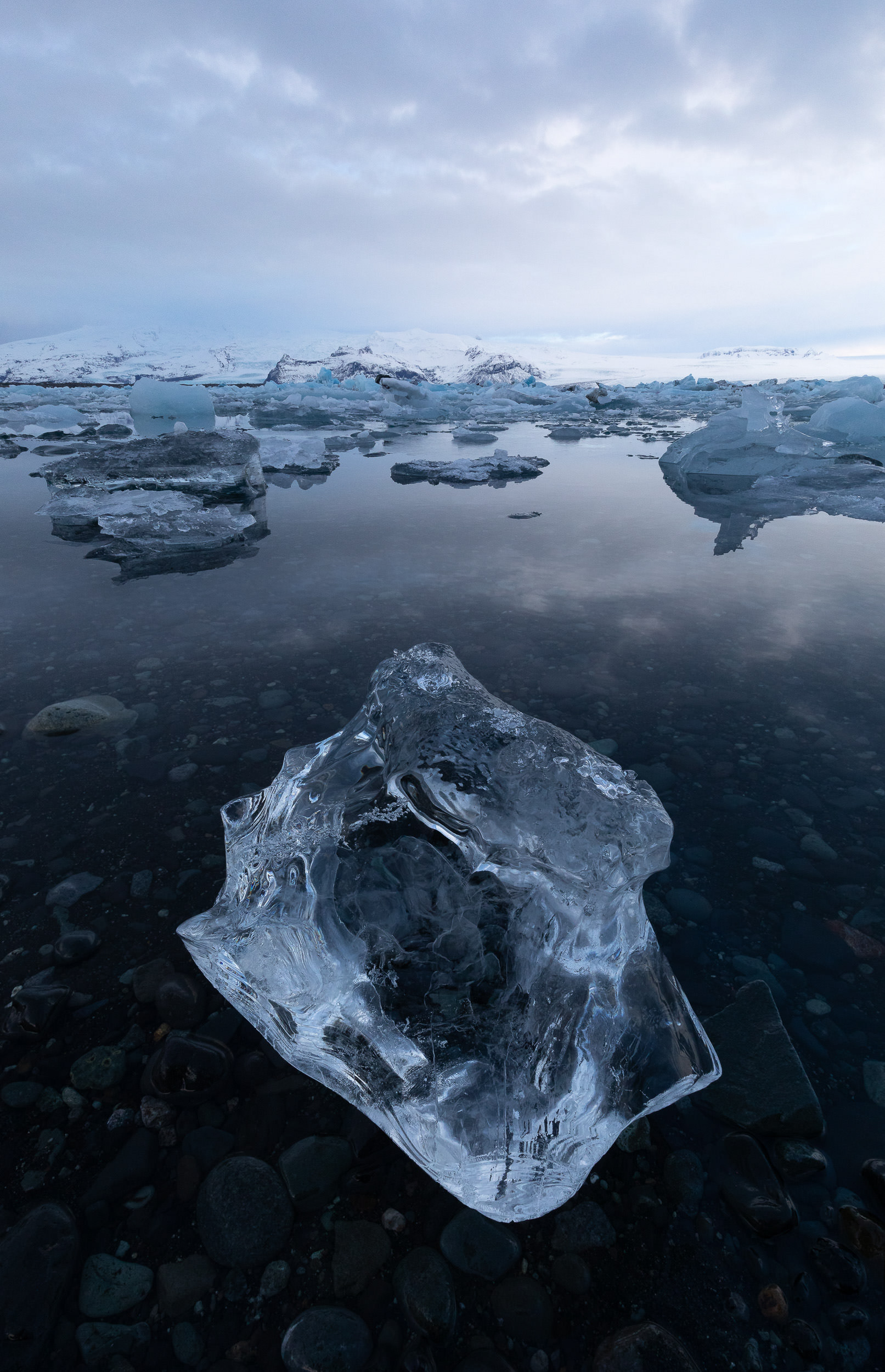
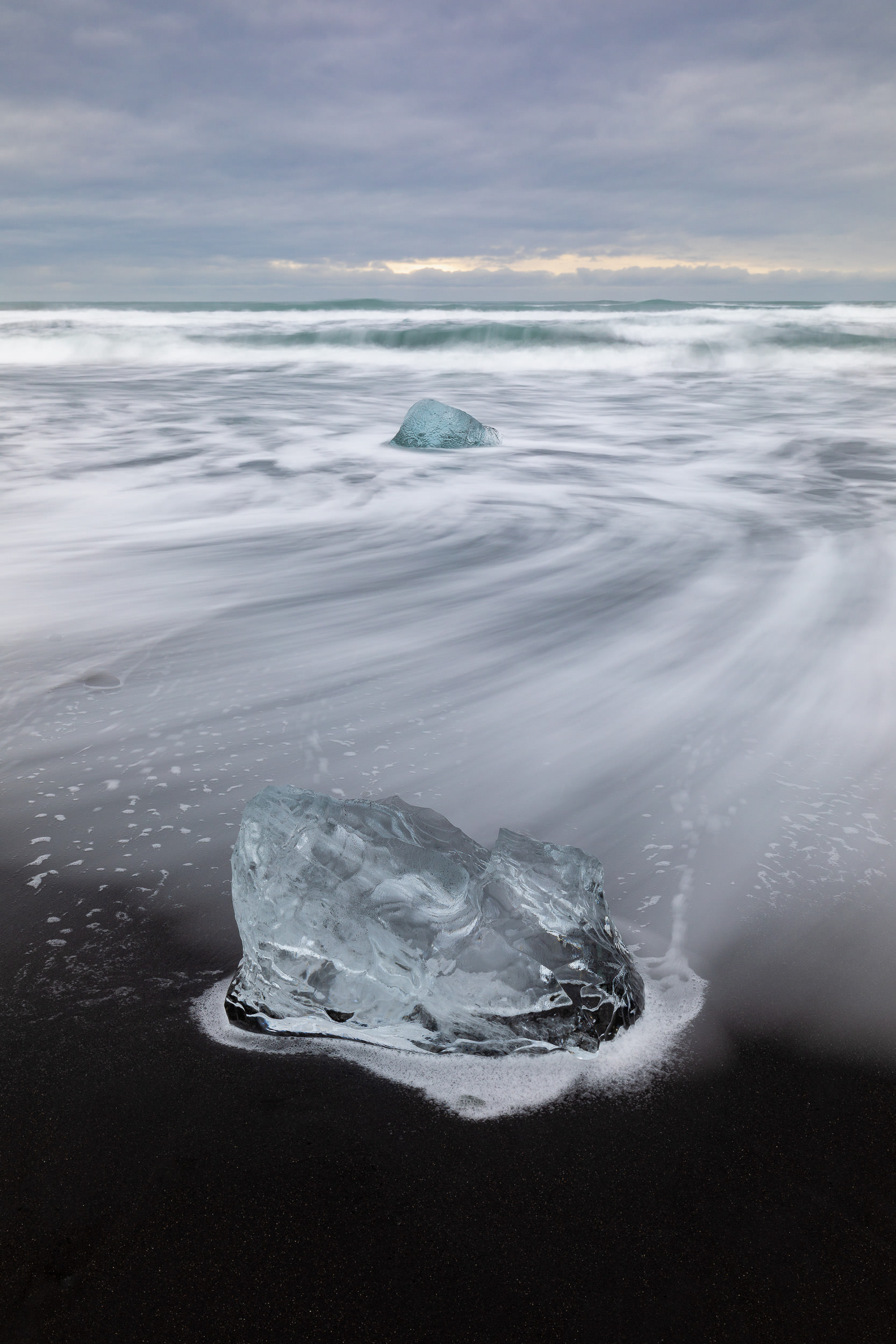
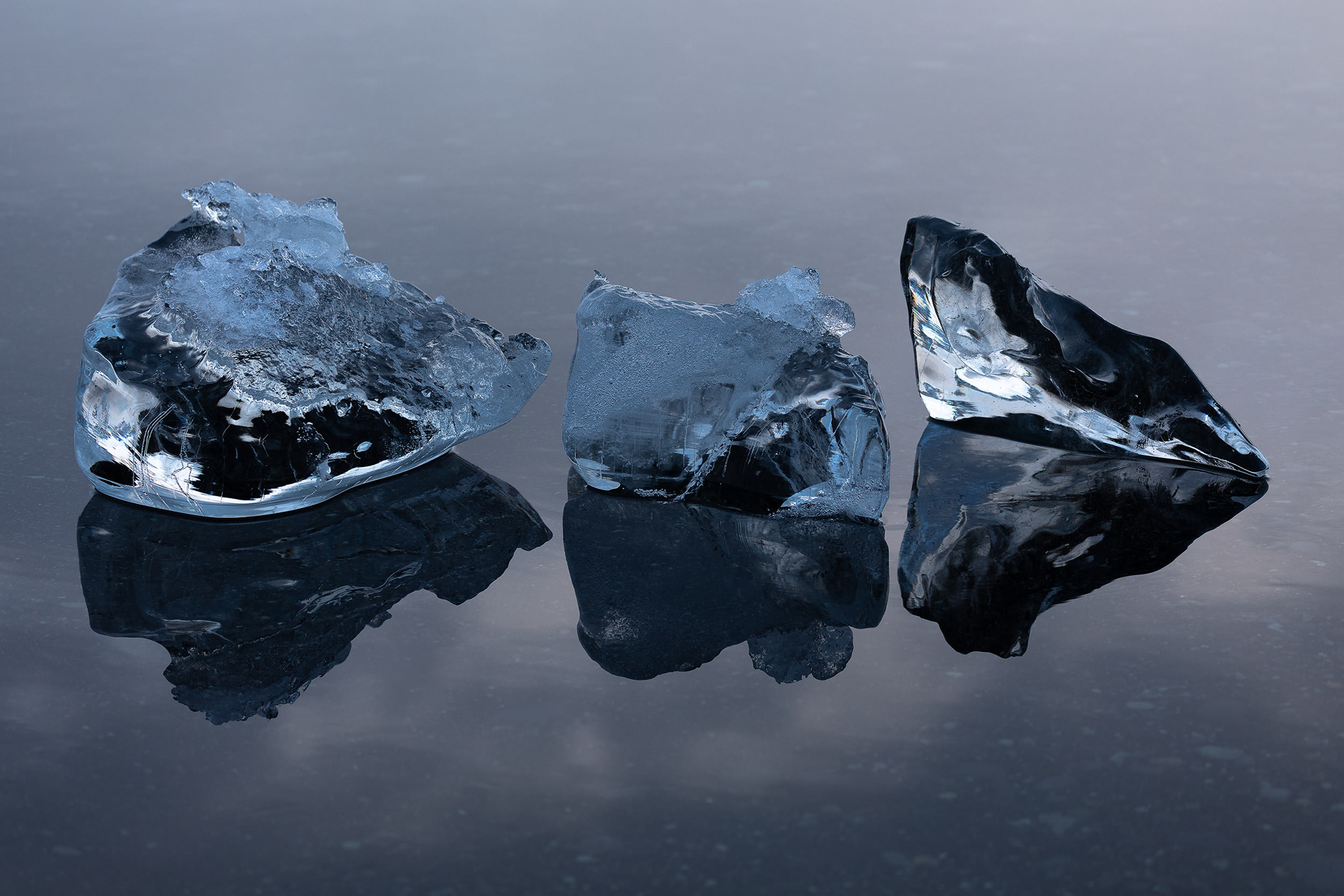
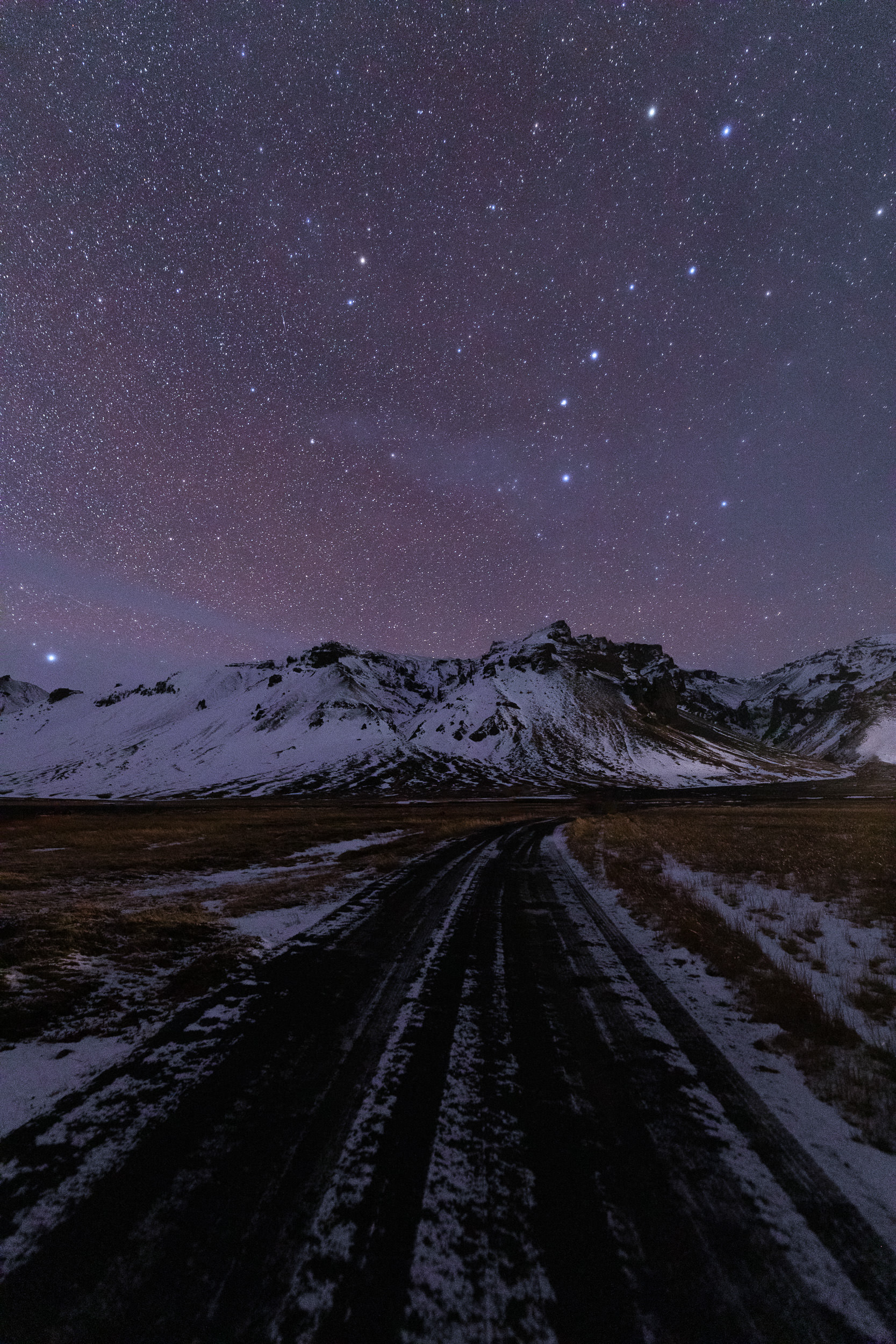
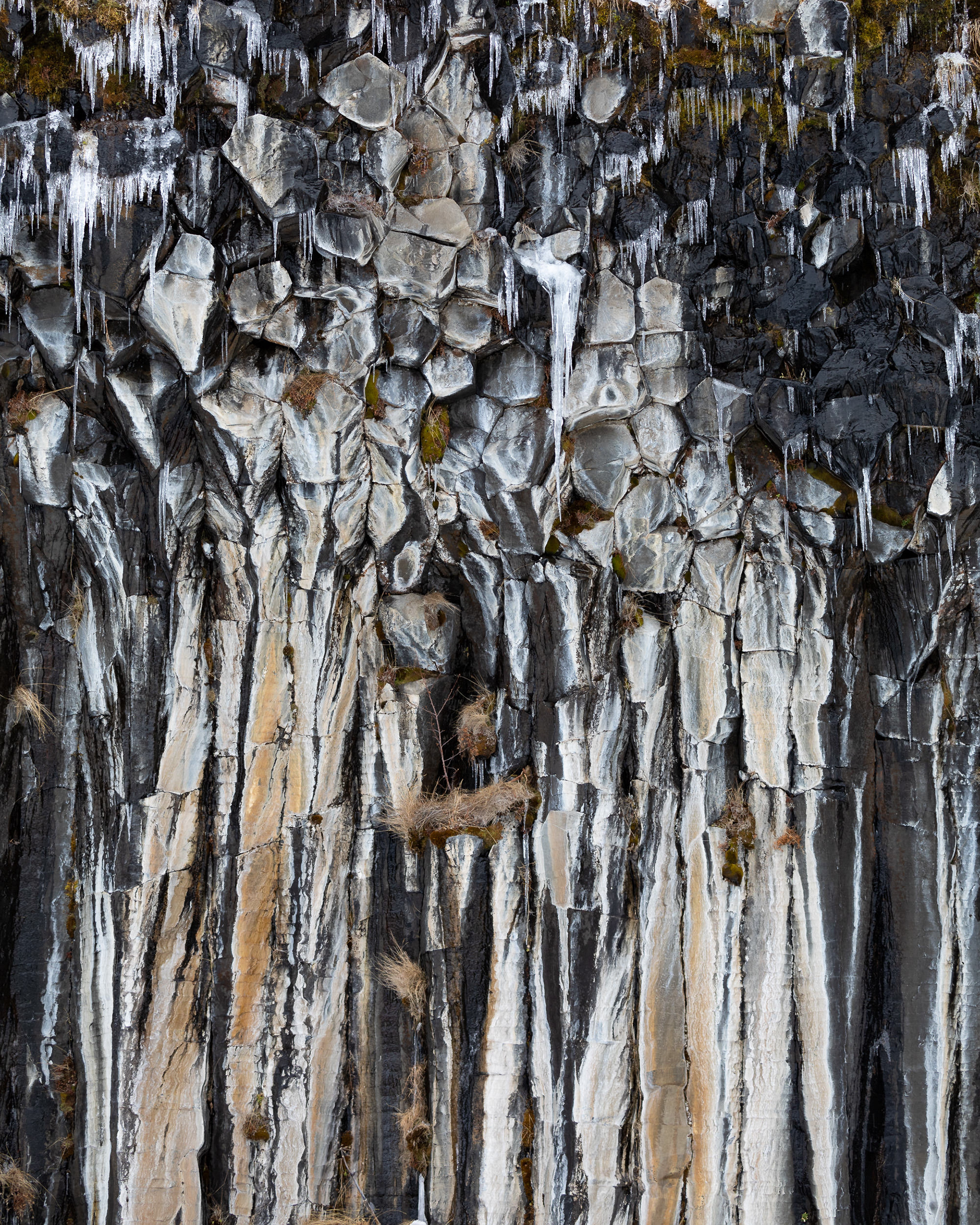
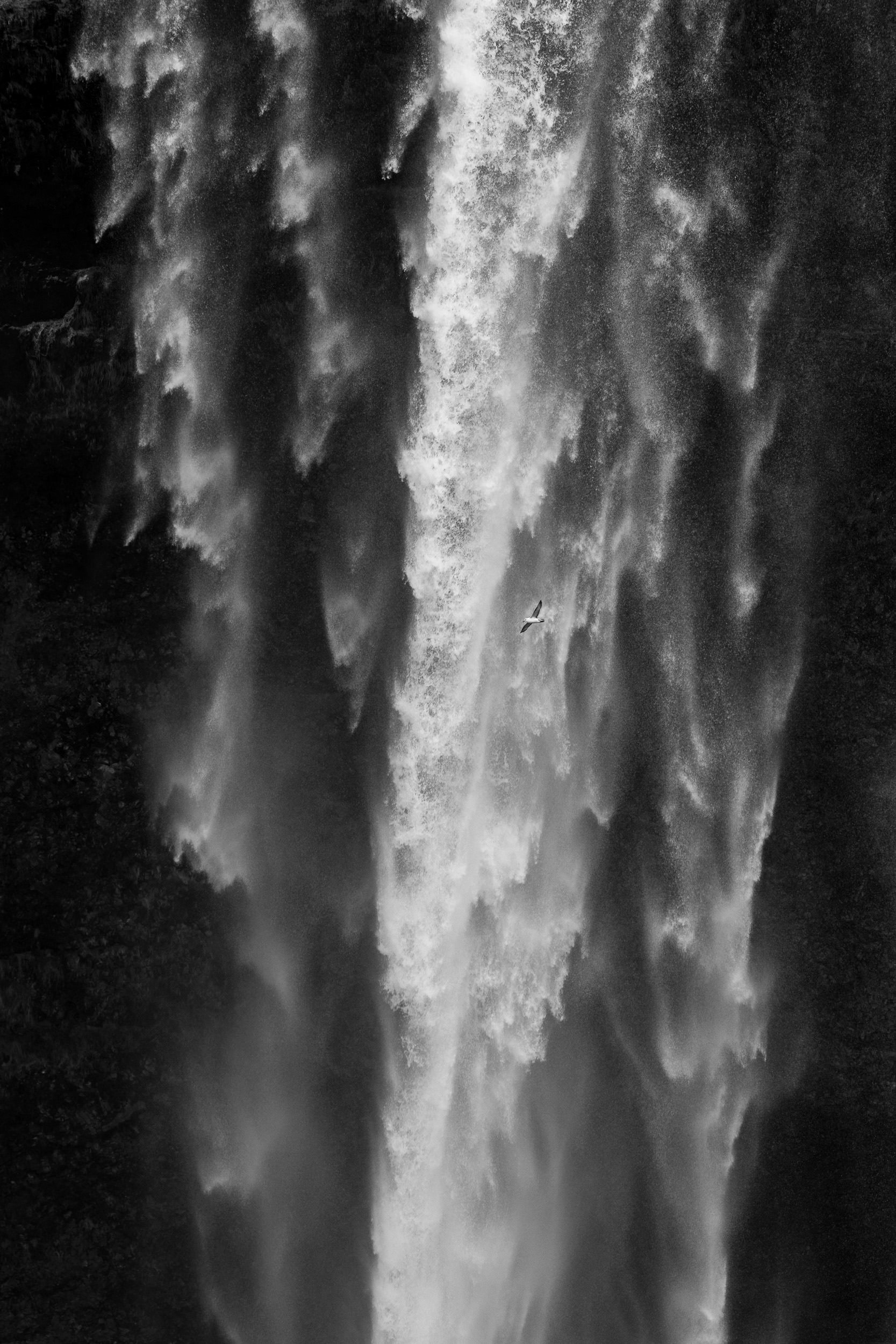
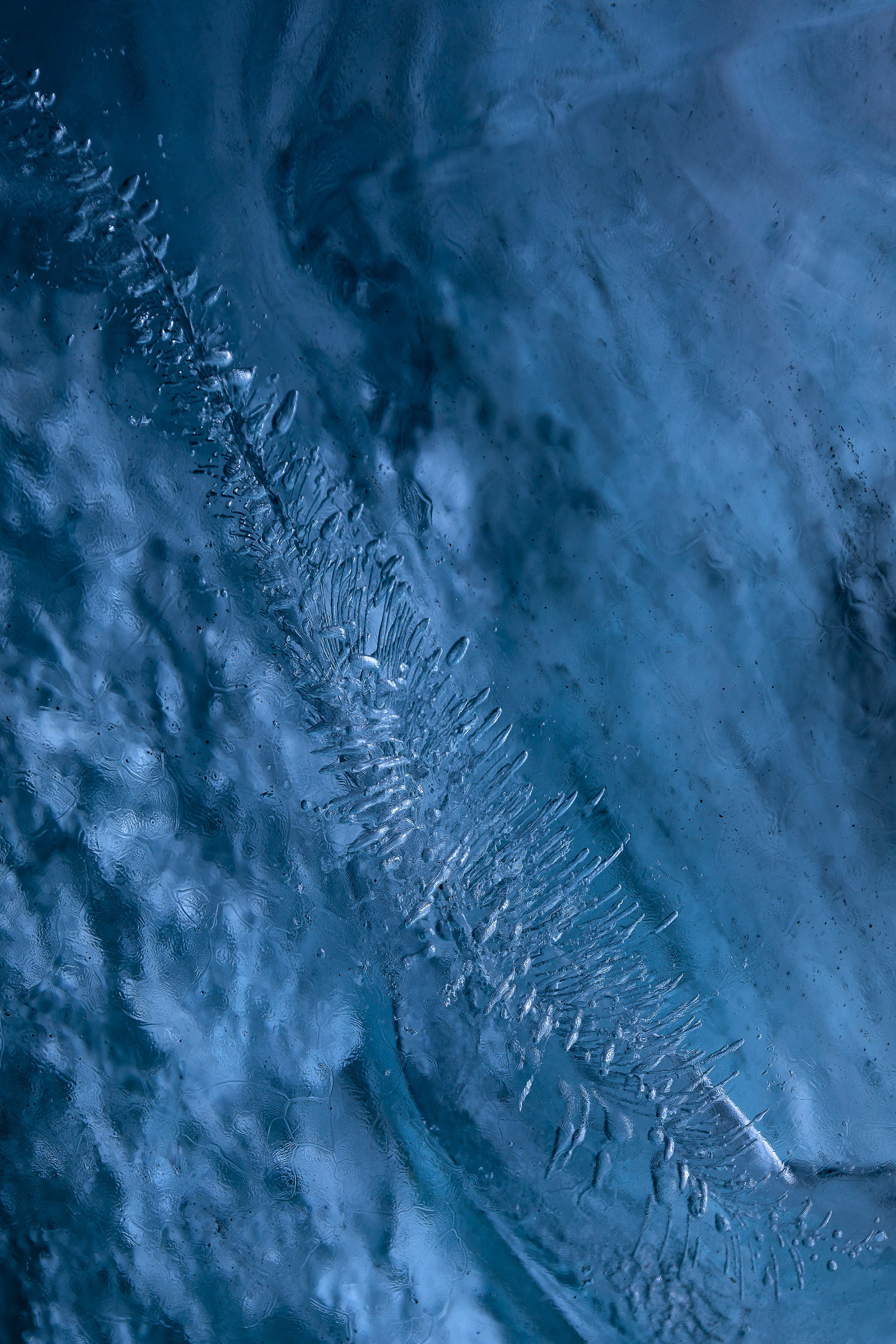
Iceland is sparsely populated with miles of barren, rugged landscape. The emptiness is foreign to many: a luxury. With so much wide open space, I struggled to capture the vastness and convey a sense of place. How could a photo possibly capture the magnitude of the scene before me? Clean compositions were hard to come by so my focus turned to abstracts and the finer details: nature’s artwork.
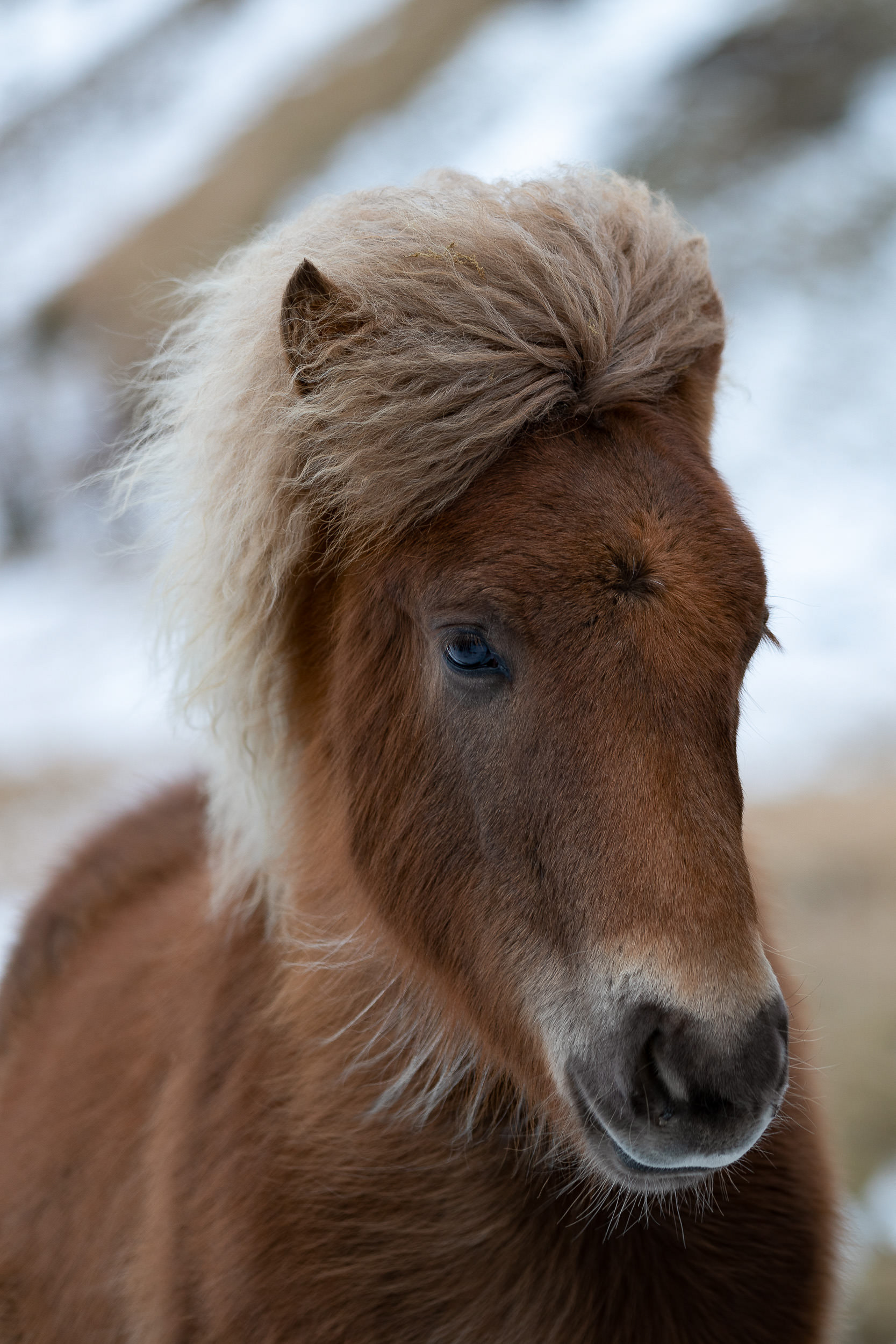
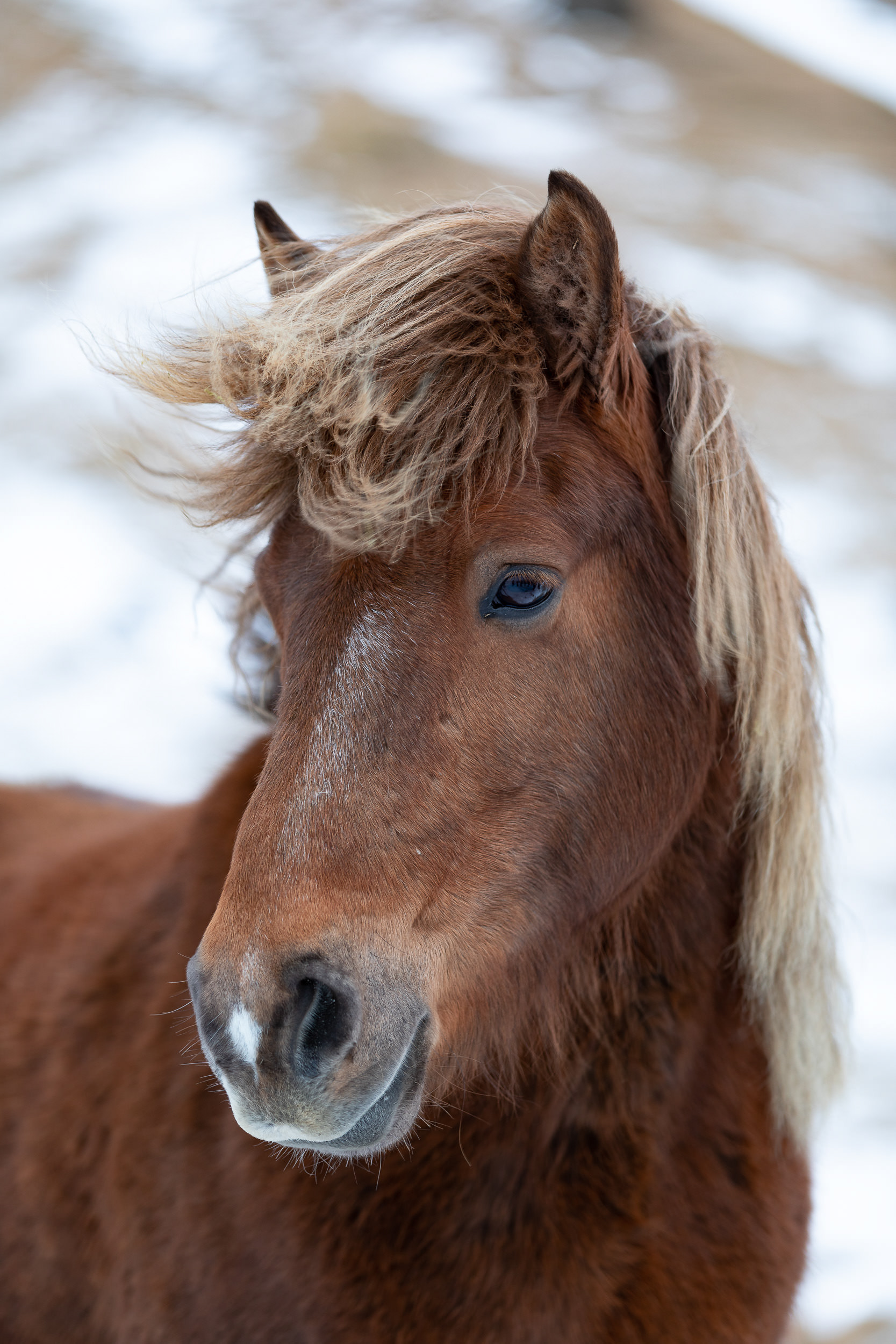
A trip to Iceland wouldn’t be complete without some quality time with their pride and joy, the Icelandic horse. This unique breed came to Iceland with the settlers over 1,000 years ago and given their isolation on the island with no genetic input from other breeds, they are considered one of the purest breeds in the world. Although they may look more like ponies, a word of advice … call them horses.
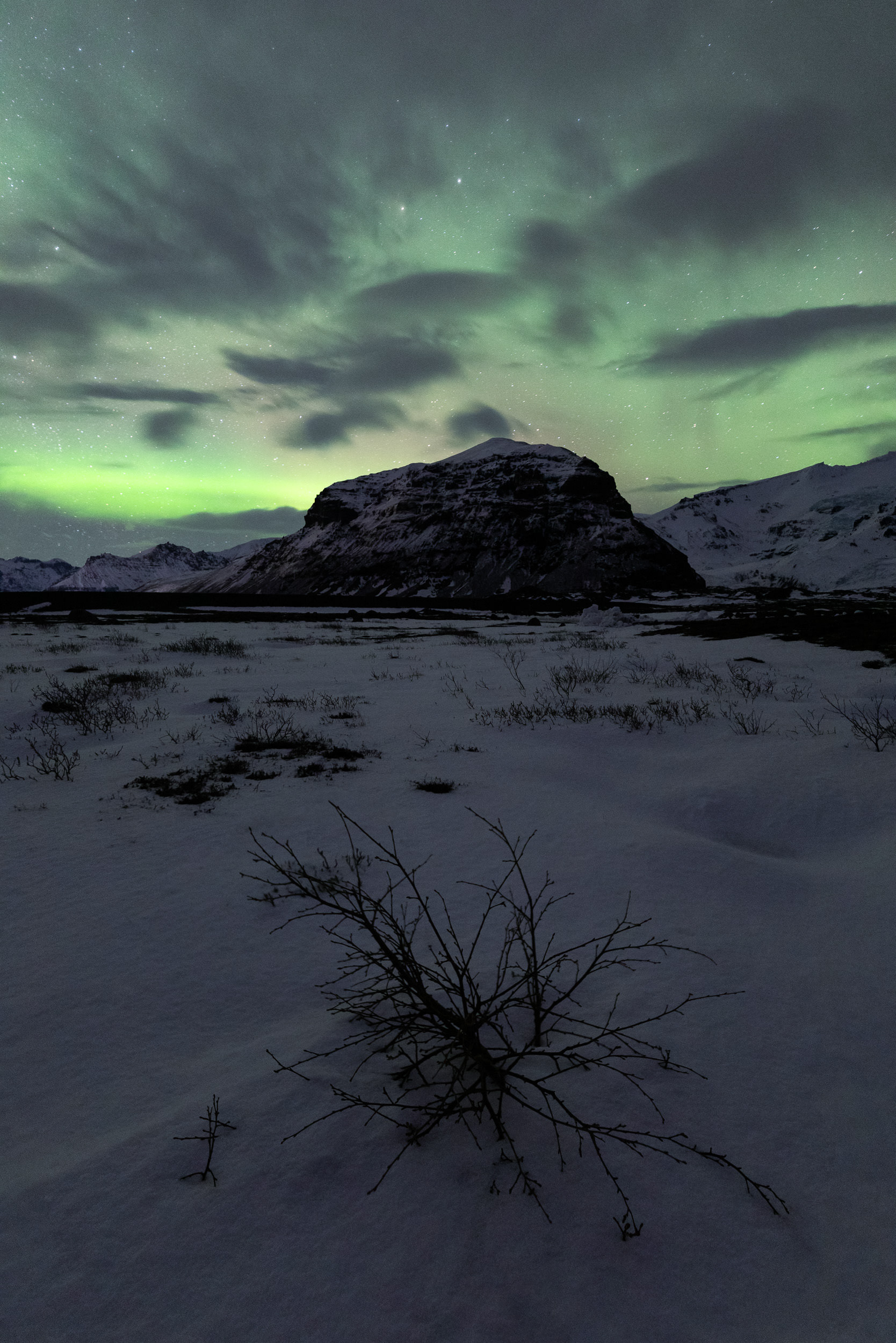
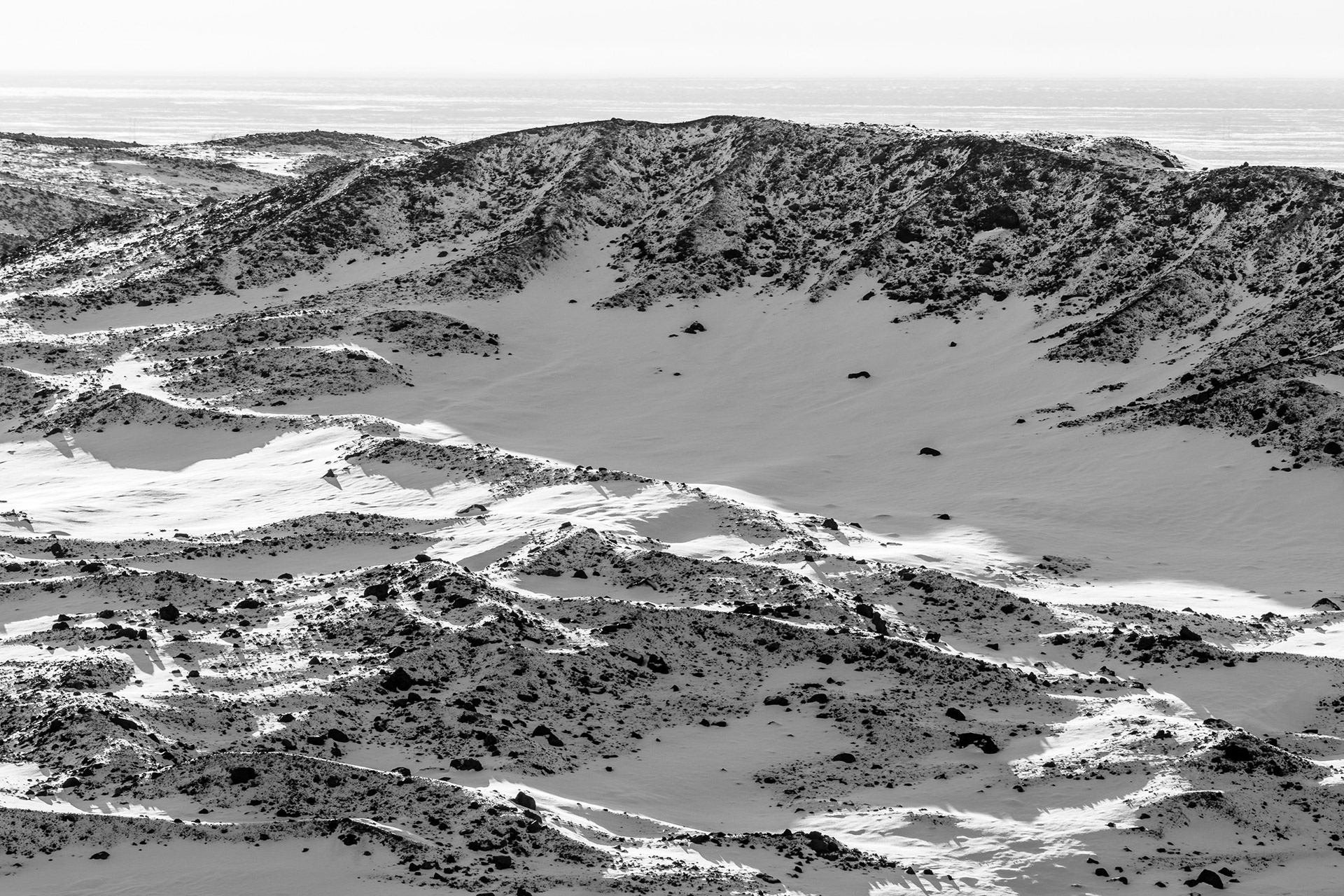
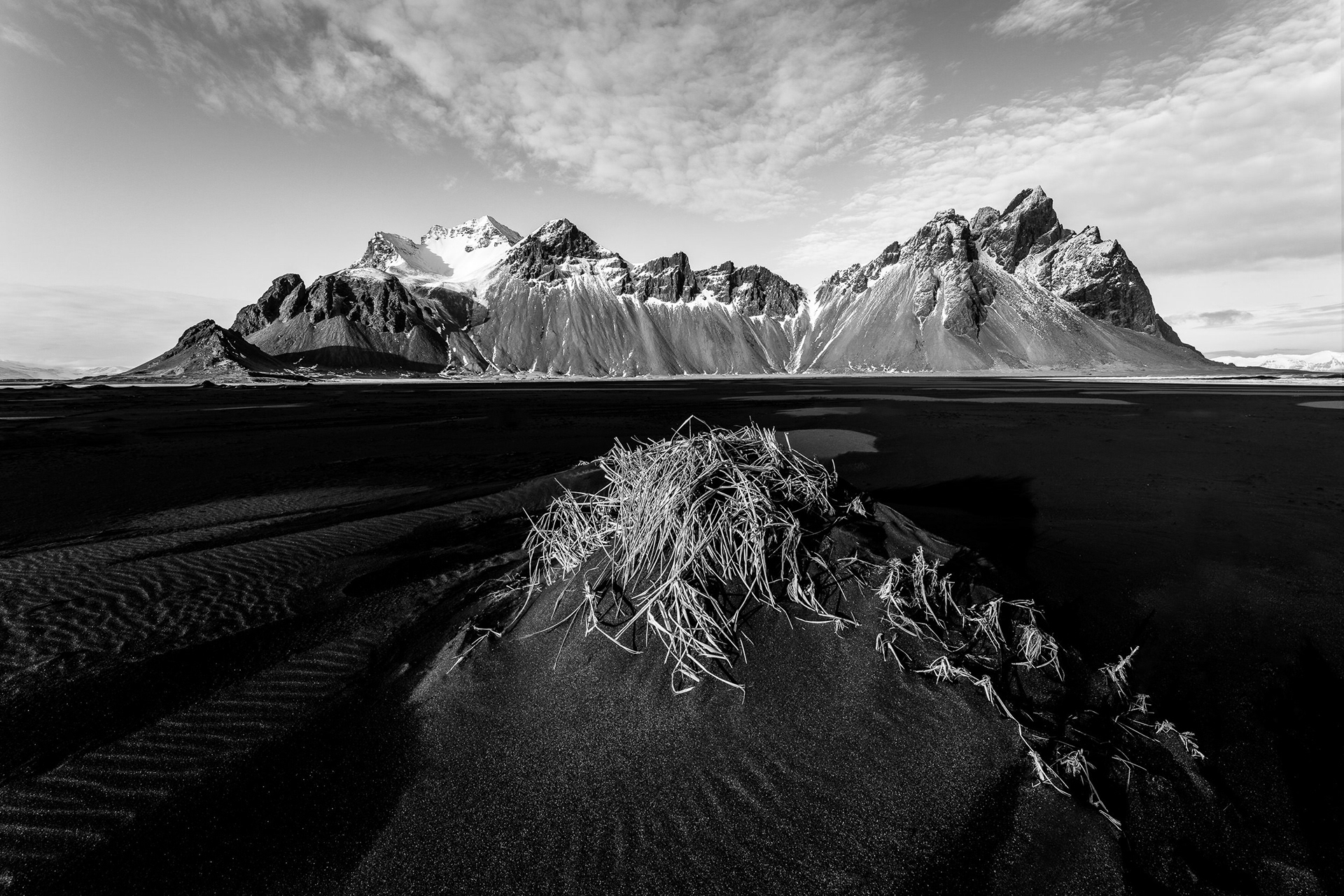
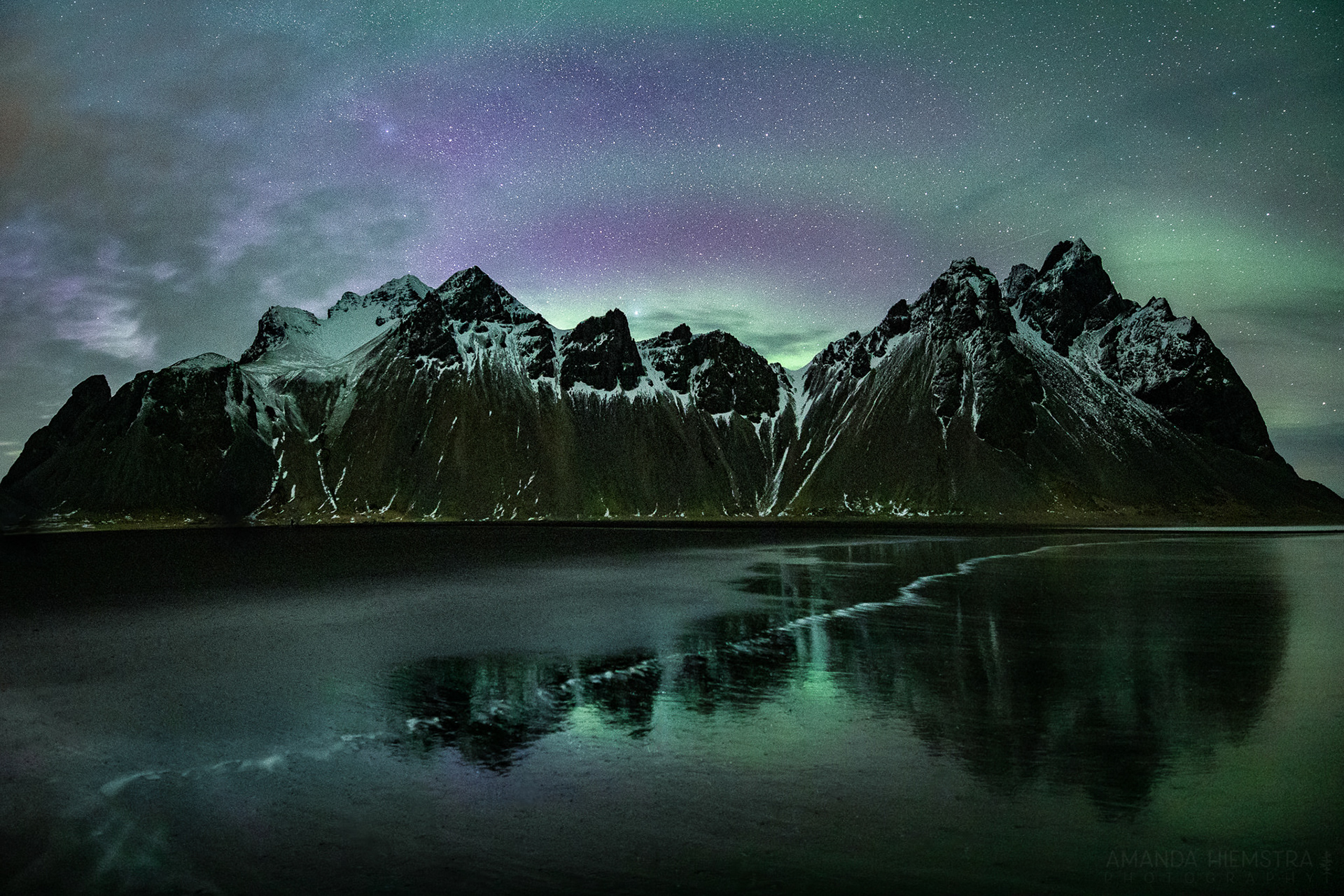
Rising out of a flat black sand beach, the dramatic peaks of Vestrahorn stand 454 m (1,490 ft.) The shore features a scattering of unique lava dunes: proof of Mother Nature at work. As if Vestrahorn wasn’t impressive enough during the day, lady aurora graced the skies with her presence making sure it was a night we would never forget.
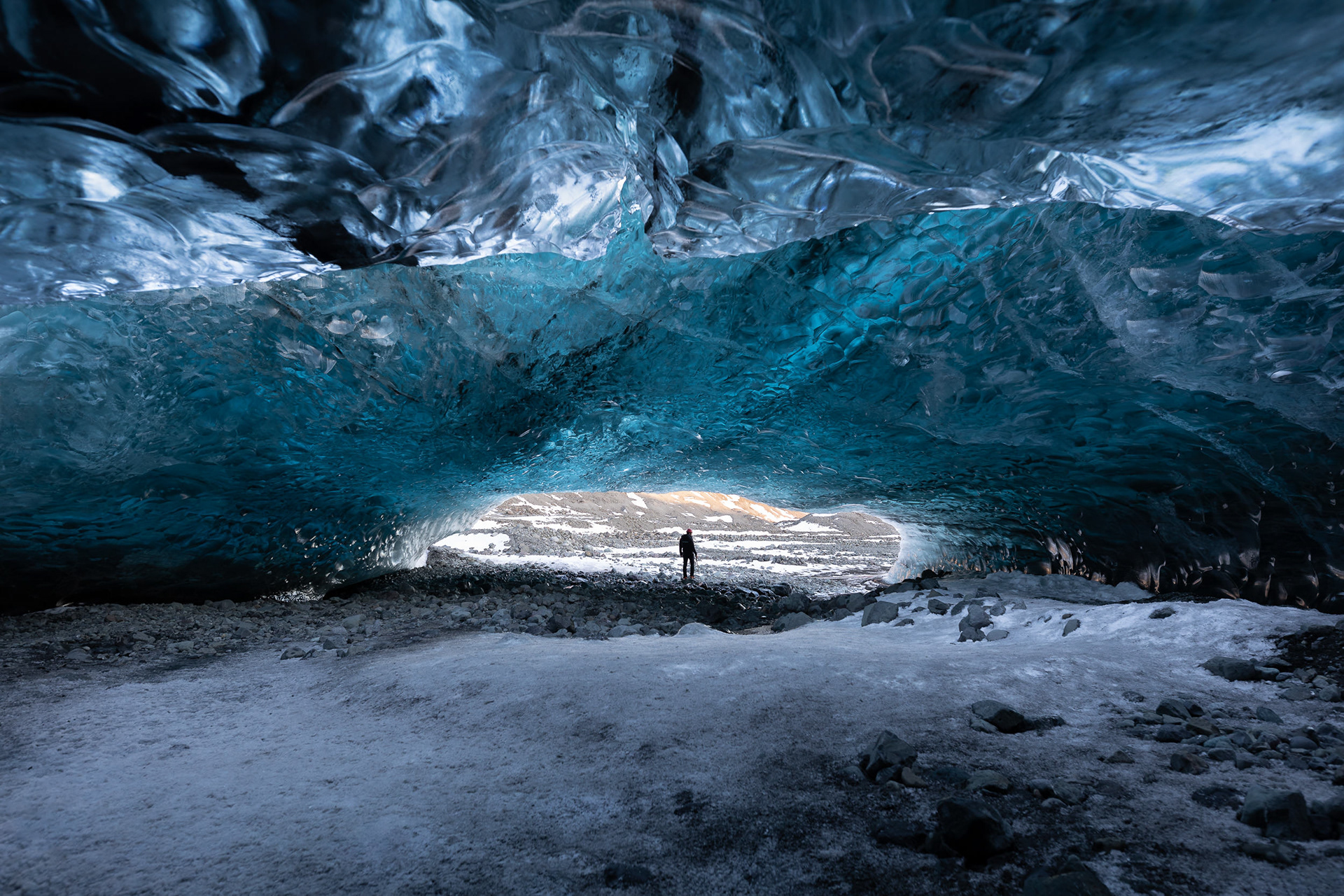
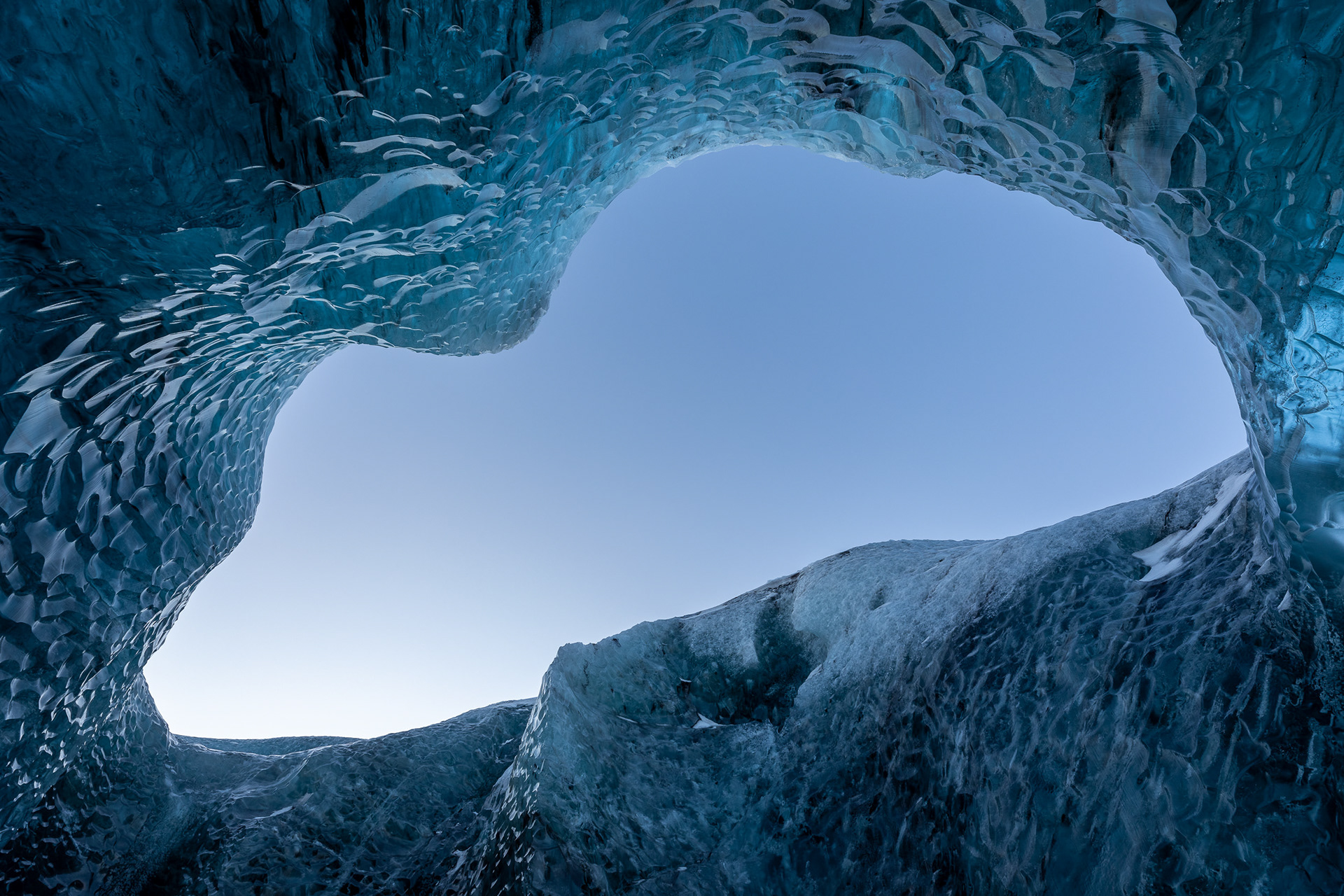
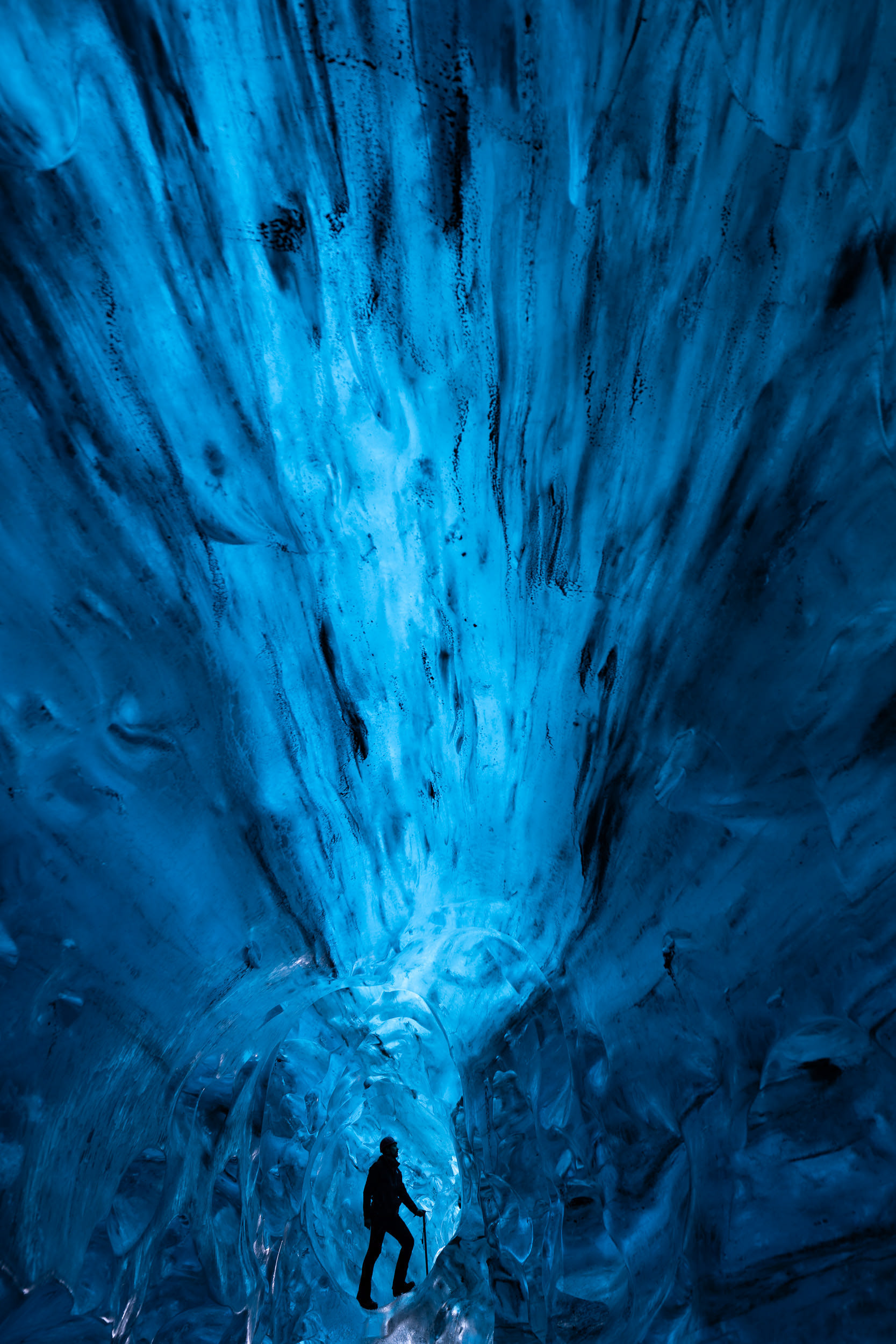
One of the highlights of the trip was exploring the ice caves: natural wonders hidden beneath Vatnajökull, the largest glacier in Europe. It’s difficult to articulate the beauty of the caves. Words such as fascinating and breathtaking come to mind, but really, you have to experience these caves to truly understand.
Iceland is so much more than simply a country located in the North-Atlantic ocean. It’s living proof of the forces of nature. It’s where earth’s elements seem to converge. It’s Mother Nature’s canvas. It’s an adventure.